Do We Need to Walk in Someone Else’s Shoes?

shoes

Do we need to walk in someone else’s shoes to understand their situation? Most of us would say yes. It is common in secular and Christian circles for a group to be told they cannot speak to another group because they have not had the same experiences. As a male pastor, I am often told that I cannot speak to women because I am not a woman. This a common tactic of social justice warriors and feminists.  You have never had same sex orientation, so you can’t tell me how to live. You have never been a mother so don’t talk to me about motherhood. But is this really true? Must I experience certain things to be able to speak to a person who is experiencing those things?

The Truth

There is a measure of truth to this statement, but that is mainly in the area of emotions and feelings. In other words, unless I have been through giving birth to a child I cannot relate in certain ways to a woman who has. Unless I have been cheated on by my spouse I have not experienced the emotions that would come with that type of crisis. To broaden it out a bit, if I did not grow up in the the inner city, I cannot relate in certain ways to someone who did. Remembering this will help us maintain our compassion and humility when speaking to others. As a man, I don’t want to pretend like I have gone through childbirth. When I speak with a mom who has just given birth compassion and humility are necessary. When I speak to a young man whose father left him at six years old I need to realize I have never been in that situation.  Continue reading

A Faith That Condemns the World

noahs-ark

Here are the six main points from my sermon yesterday. The sermon was on Hebrews 11:7

By faith Noah, being warned by God concerning events as yet unseen, in reverent fear constructed an ark for the saving of his household. By this he condemned the world and became an heir of the righteousness that comes by faith. (Heb 11:7)

Our Faith Must Be Founded on God’s Word

Noah believed God’s Word. Faith is always rooted in God’s Word. It cannot be rooted in what we think God said or what God spoke to us in our hearts. It must be rooted in his word and only his Word. Only God’s Word can bind men’s consciences. We must be careful not to add to or take away from that Word. There is a constant temptation to add to God’s Word.  We begin to put our faith in the rules of man instead God’s Word. Continue reading

A Primer on the Lord’s Prayer by Dr. Martin

praying-hands

Here is Martin Luther’s short exposition of the Lord’s Prayer, which I found in his Small Catechism. I have not included every question, but just the central ones. The bold is mine.

Our Father who art in heaven.

What does this mean? God would thereby [with this little introduction] tenderly urge us to believe that He is our true Father, and that we are His true children, so that we may ask Him confidently with all assurance, as dear children ask their dear father.

The First Petition: Hallowed be Thy name.
What does this mean? God’s name is indeed holy in itself; but we pray in this petition that it may become holy among us also.

How is this done? When the Word of God is taught in its truth and purity, and we as the children of God also lead holy lives in accordance with it. To this end help us, dear Father in heaven. But he that teaches and lives otherwise than God’s Word teaches profanes the name of God among us. From this preserve us, Heavenly Father.

The Second Petition: Thy kingdom come.
What does this mean? The kingdom of God comes indeed without our prayer, of itself; but we pray in this petition that it may come unto us also.

How is this done? When our heavenly Father gives us His Holy Spirit, so that by His grace we believe His holy Word and lead a godly life here in time and yonder in eternity.

The Third Petition: Thy will be done on earth as it is in heaven.
What does this mean? The good and gracious will of God is done indeed without our prayer; but we pray in this petition that it may be done among us also.

How is this done? When God breaks and hinders every evil counsel and will which would not let us hallow the name of God nor let His kingdom come, such as the will of the devil, the world, and our flesh; but strengthens and keeps us steadfast in His Word and in faith unto our end. This is His gracious and good will.

The Fourth Petition: Give us this day our daily bread.
What does this mean? God gives daily bread, even without our prayer, to all wicked men; but we pray in this petition that He would lead us to know it, and to receive our daily bread with thanksgiving.

What is meant by daily bread? Everything that belongs to the support and wants of the body, such as meat, drink, clothing, shoes, house, homestead, field, cattle, money, goods, a pious spouse, pious children, pious servants, pious and faithful magistrates good government, good weather, peace, health, discipline, honor, good friends, faithful neighbors, and the like.

The Fifth Petition: And forgive us our trespasses, as we forgive those who trespass against us.
What does this mean? We pray in this petition that our Father in heaven would not look upon our sins, nor deny such petitions on account of them; for we are worthy of none of the things for which we pray, neither have we deserved them; but that He would grant them all to us by grace; for we daily sin much, and indeed deserve nothing but punishment. So will we verily, on our part, also heartily forgive and also readily do good to those who sin against us.

The Sixth Petition: And lead us not into temptation.
What does this mean? God, indeed, tempts no one; but we pray in this petition that God would guard and keep us, so that the devil, the world, and our flesh may not deceive us, nor seduce us into misbelief, despair, and other great shame and vice; and though we be assailed by them, that still we may finally overcome and gain the victory.

The Seventh Petition: But deliver us from evil.
What does this mean? We pray in this petition, as in a summary, that our Father in heaven would deliver us from all manner of evil, of body and soul, property and honor, and at last, when our last hour shall come, grant us a blessed end, and graciously take us from this vale of tears to Himself into heaven.

Amen.
What does this mean? That I should be certain that these petitions are acceptable to our Father in heaven and heard; for He Himself has commanded us so to pray, and has promised that He will hear us. Amen, Amen; that is, Yea, yea, it shall be so.

S&S Podcast 2016.29 The Blame Game

blame

In the podcast I reflect on how we use our good deeds, such as prayer, tithing, teaching our children modesty, going to church, catechizing, etc. to buy favors from God. What effect does this type of thinking have on our relationship with God? As always comments are welcome.

Fighting Through Many Difficulties

knight-1

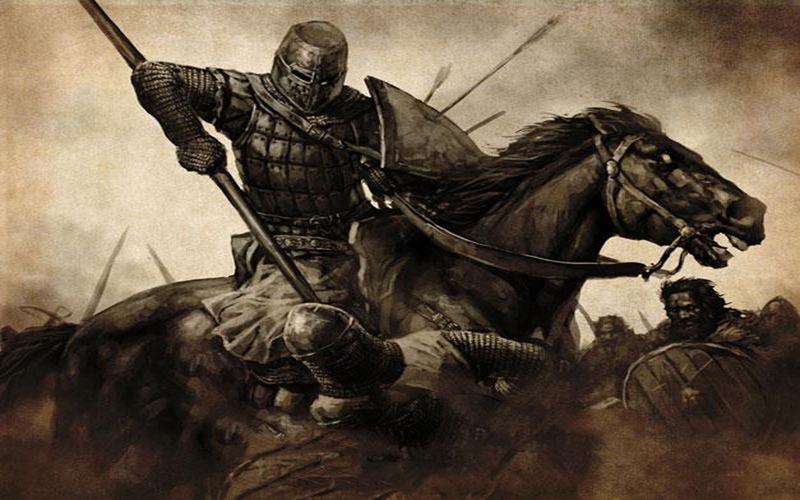
We often believe that things should be easier than they are. This leaning of our hearts is made worse by the constant bombardment from the media telling us that our lives are too hard and if we buy what they are selling then our lives will be easier.The basic presupposition in the news and media is that we all deserve to be wealthy, well-fed, healthy, and happy. This assumption is so ingrained in our thinking that it is rarely challenged. While we may mock Joel Osteen we all think like him. We expect God to give us “Our Best Life Now.” When God gives us difficulties and hardships we groan and rebel crying, “This is not how it is supposed to be.”

Christians should know better. Our Lord’s life was not easy. We are called to a daily death (Luke 9:23). We are to embrace this death looking to the joy set before us (Hebrews 12:2). We are to pour ourselves out for others, whether that is children, spouses, flocks, or neighbors. As believers we should expect things to be hard. But this is not enough. If we bear our burdens, trials, and difficulties like melancholy martyrs led to the stake, then we have missed the Gospel. The Gospel says to die is to live and to be poured out is to be gathered back up again. This means the difficulties of life are not burdens, but rather treasures. Jesus tells us to rejoice in persecution (Matthew 5:11-12). Paul tells us in Romans 8:18 that our sufferings do not compare to the coming glory.  When Christ calls us to our daily cross let us go with singing and joy remembering that our labor is not in vain in the Lord (I Cor. 15:58). This is not an encouragement to pretend that pain is not pain and hard things are not hard. Things are hard and it is okay to say so. Just read the Psalms. But it is an encouragement to remember that glory comes through death. Too many Christians think glory comes through making their life easy and comfortable. They assume that if things are hard then something is wrong.  Continue reading